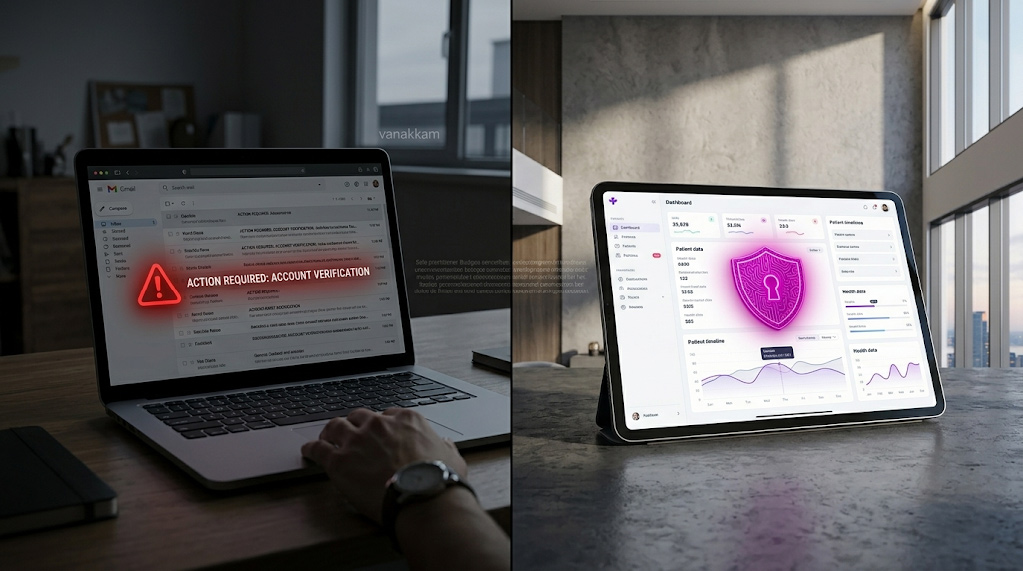
In today’s digital age, cybersecurity is more crucial than ever. Businesses face increasing threats from cybercriminals. A strong cybersecurity culture at the workplace is essential.
Implementing this culture involves more than just technology. It requires a comprehensive approach. This includes risk management, employee training, and adherence to security best practices.
Risk management is the first step. It involves identifying and addressing potential threats. This proactive approach helps protect sensitive data.
Employee training is equally important. It ensures that all staff understand their role in maintaining workplace security. Training fosters cybersecurity awareness and promotes good cyber hygiene.
Security policies must be clearly defined and enforced. They provide a framework for data protection and threat prevention. Consistent communication of these policies is key.
Leadership plays a vital role in shaping security culture. Their commitment sets the tone for the entire organization. Collaboration across departments enhances security measures.
A cybersecurity culture is not static. It requires continuous improvement and adaptation. Regular feedback and updates keep the organization resilient.
Understanding Cybersecurity Culture at Workplace
A cybersecurity culture at the workplace goes beyond technical measures. It encompasses attitudes, behaviors, and practices that prioritize security. This culture involves everyone, from top management to entry-level employees.
To foster this culture, it’s important to understand its key components:
- Shared responsibility for security across all levels.
- Continuous education and awareness on evolving threats.
- Embedding security into daily work routines.
Creating a shared vision for cybersecurity is essential. It aligns employees with organizational goals. This vision inspires proactive engagement in security practices.

Behavioral change is another critical aspect. It involves shifting employees’ mindsets towards security-first thinking. This change takes time and consistent effort.
Lastly, understanding that cybersecurity culture adapts with changing threats is crucial. Organizations must be prepared to evolve and improve their security measures. Regular evaluations and feedback help refine the approach.
In summary, a strong cybersecurity culture requires a holistic view. It is built on shared values, continual learning, and adaptability. This foundation helps protect the organization from potential cybersecurity threats.
The Importance of Cybersecurity Culture for Workplace Security
The cybersecurity culture at a workplace is pivotal for protecting assets and sensitive data. A strong culture mitigates risks and ensures smooth operations. It’s not just about technology; it’s about human behavior too.
Workplace security thrives on a robust cybersecurity culture. A culture that emphasizes awareness leads to proactive threat identification. This, in turn, aids in risk reduction.
Key reasons why a cybersecurity culture is vital include:
- Minimizing data breaches and associated costs.
- Enhancing employee confidence in handling sensitive information.
- Strengthening overall risk management strategies.
A comprehensive culture helps bridge the gap between technology and people. It empowers employees to become active participants in security efforts.
In a dynamic cyber landscape, having an ingrained culture is non-negotiable. Organizations must foster an environment where everyone understands their role. This collective responsibility is crucial for enduring protection.
Key Elements of a Strong Cybersecurity Culture
Establishing a strong cybersecurity culture involves various integral elements. These elements collectively form the backbone of an organization’s security framework.
First, clear security policies are vital. These policies guide employees on acceptable actions and procedures. They set expectations for behavior and articulate consequences for non-compliance.
Employee training is another cornerstone. Training programs should cover the latest threats and best practices. They ensure employees understand their crucial role in safeguarding information.
Cyber hygiene practices can’t be overlooked. Simple measures like updating software and using strong passwords are fundamental. These actions prevent many common cyber threats.
A proactive approach to threat prevention is essential. It involves regular threat assessments and timely updates to security protocols.
Elements that form a strong cybersecurity culture include:
- Well-defined security policies
- Ongoing employee training
- Commitment to cyber hygiene
- Proactive threat prevention
- Regular audits and feedback mechanisms
Each element contributes to a comprehensive security strategy. Together, they create a resilient culture prepared for evolving cyber challenges.

Leadership’s Role in Shaping Security Culture
Leadership plays a pivotal role in establishing and maintaining a security culture at any organization. Their commitment can significantly influence the overall approach to cybersecurity.
Leaders must exhibit cybersecurity awareness. They should understand the importance of securing digital assets and prioritize these needs within their strategic plans. Leadership sets the tone for the rest of the organization by prioritizing these initiatives.
Clear communication from leaders is also essential. They should consistently convey the importance of cybersecurity to all employees. Regular updates and reminders can help maintain high levels of employee engagement.
Supporting a security culture requires leaders to champion resources and tools needed for robust defense mechanisms. They should ensure that all departments have access to necessary cybersecurity resources.
Leadership responsibilities include:
- Modeling cybersecurity best practices
- Prioritizing security in strategic goals
- Ensuring timely communication on security matters
- Allocating resources for security initiatives
Effective leadership in cybersecurity ensures everyone in the organization understands and values security measures.
Risk Management: Identifying and Addressing Threats
Risk management is a core component of a strong cybersecurity culture. It involves identifying, assessing, and addressing potential threats to your organization. By understanding these risks, businesses can take proactive steps to mitigate them.
To start, conduct a comprehensive risk assessment. This process involves evaluating your existing systems and identifying vulnerabilities. You should also determine the potential impact of these risks if left unaddressed.
Once you have a clear understanding of potential threats, prioritize them based on their likelihood and impact. This prioritization helps in allocating resources efficiently, ensuring that the most significant risks are managed first.
Addressing threats involves implementing appropriate security measures. These can include updating software, strengthening passwords, and limiting access to sensitive information. Regularly reviewing and updating your risk management strategies is also essential.
Key aspects of risk management include:
- Conducting regular risk assessments
- Prioritizing risks based on impact and likelihood
- Implementing appropriate security measures
An effective risk management plan can significantly reduce potential security breaches. Regular updates and reviews are crucial for adapting to evolving threats.
Developing and Enforcing Security Policies
Creating robust security policies is essential for maintaining workplace security. These policies establish clear guidelines for protecting sensitive information. They also outline acceptable behavior regarding the use of company systems and data.
Begin by assessing your organization’s specific security needs. Tailor your policies to address these requirements effectively. This approach ensures that policies are relevant and actionable for all employees.
Communication of policies is crucial. Ensure every staff member understands their responsibilities and the importance of compliance. Regular training sessions can help reinforce these guidelines.
Enforcing security policies requires consistency and accountability. Regular audits and monitoring help identify non-compliance issues. Address violations promptly to maintain the integrity of the security culture.
Key components of effective security policies include:
- Clear guidelines on data handling
- Defined consequences for policy violations
- Regular updates to policies as needed
Establishing and maintaining strong security policies helps protect against unauthorized access and data breaches. Organizations that prioritize these measures can better safeguard their digital assets.
Employee Training and Cybersecurity Awareness Programs
Training employees is critical for fostering a strong cybersecurity culture. Employees must understand their role in safeguarding information. Comprehensive training programs help achieve this goal.
Begin training at the onboarding stage to instill cybersecurity awareness. Regular refreshers keep knowledge up-to-date. This approach ensures continuous protection against evolving threats.
Tailor training programs to meet the unique needs of different job roles. Customized content helps employees relate to and apply the information. This relevance increases the likelihood of engagement and adherence.
Consider incorporating diverse training methods. Options include workshops, online courses, and interactive simulations. These varied approaches cater to different learning styles and enhance information retention.
Programs should also encourage proactive behavior. Employees should know how to report suspected threats. Building this confidence ensures swift action and reduces potential damage.
Key elements of effective training programs:
- Regular updates on new threats and tactics
- Role-specific training modules
- Incentives for active participation in training
 by Valery Tenevoy (https://unsplash.com/@plag)
Effective employee training and awareness programs can significantly reduce the risk of security breaches. By investing in training, organizations empower their workforce to act as the first line of defense.
Promoting Cyber Hygiene and Security Best Practices
Promoting cyber hygiene is crucial for maintaining workplace security. Adopting simple, everyday practices can prevent significant threats. It forms the foundation of a healthy cybersecurity culture.
One essential practice is updating software regularly. Outdated programs can expose vulnerabilities. Ensure that all systems and applications receive timely updates.
Strong password policies are another vital component. Encourage the use of complex passwords and regular changes. This reduces the risk of unauthorized access and improves data protection.
Educate employees about recognizing phishing attempts. Identifying suspicious emails or links is key to avoiding breaches. Regular reminders and tips keep awareness high.
Consider these cyber hygiene essentials:
- Regular software updates
- Strong, unique passwords
- Awareness of phishing and online scams
Good cyber hygiene requires consistency and vigilance. By promoting these practices, organizations can reduce risks. A disciplined approach ensures long-term workplace security.
Data Protection and Access Control Measures
Effective data protection is critical for safeguarding company information. Implementing robust access control measures can help prevent data breaches. These measures limit access to sensitive information based on roles.
Encryption plays a vital role in data protection. By encoding data, unauthorized users cannot easily access it. Ensure that all sensitive communications and data storage utilize strong encryption methods.
Regularly review access controls within your organization. This involves monitoring who has access to critical information and why. Adjust permissions as employees’ roles change or when they leave the company.
Consider implementing these data protection strategies:
- Use strong encryption for sensitive data
- Regularly update access control lists
- Conduct frequent audits of data acces

Adopting comprehensive data protection and access control measures ensures that only authorized personnel can access sensitive information. This approach minimizes risks and strengthens overall workplace security. Regular updates and monitoring are crucial for maintaining effective data protection strategies.
Encouraging Open Communication and Reporting
Open communication is a cornerstone of a strong cybersecurity culture. Encouraging employees to report potential threats is vital. This proactive approach can prevent security incidents before they escalate.
Regularly share updates about cybersecurity practices and policies with employees. Create an environment where staff feel comfortable discussing security concerns. This openness fosters trust and encourages active participation in safeguarding the workplace.
Establish clear reporting channels and consider the following practices:
- Define procedures for reporting security incidents
- Provide anonymous reporting options
- Offer regular updates on addressed issues
Empowering employees to communicate openly about security matters improves threat detection and response. By building a supportive reporting culture, organizations can better protect their information assets and enhance overall security.
Recognizing and Rewarding Positive Security Behaviors
Acknowledging positive security behaviors motivates employees. When staff members are recognized for their contributions, it boosts morale. This encouragement can lead to improved cybersecurity practices across the workplace.
Consider implementing a reward system to celebrate security successes. Rewards can range from simple acknowledgments to more tangible benefits. Recognition demonstrates the value the organization places on security efforts.
Examples of rewards include:
- Publicly acknowledging contributions in meetings
- Offering certificates or small incentives
- Hosting quarterly recognition events
By valuing and rewarding positive actions, organizations reinforce the importance of a strong security culture. This approach helps sustain employee engagement and commitment.
Continuous Improvement: Monitoring, Feedback, and Adaptation
A robust cybersecurity culture at the workplace demands continuous monitoring. Regular assessments ensure that security measures remain effective. Monitoring helps identify weaknesses before they become significant threats.
Feedback from employees provides valuable insights into current security protocols. Encourage staff to share their experiences and suggestions. This input can highlight areas for improvement or innovation.
Adaptation is crucial as threats and technologies evolve. To keep up, organizations should:
- Update policies and procedures regularly
- Invest in new technologies when necessary
- Train employees on emerging threats and tools
By prioritizing continuous improvement, organizations can maintain a resilient security posture. This approach fosters an agile environment capable of addressing new challenges head-on.
Overcoming Common Challenges in Building a Security Culture
Building a cybersecurity culture at the workplace presents several challenges. Resistance to change is a common hurdle. Employees may find it difficult to adopt new security practices.
Time constraints can also impede implementation. Employees often feel overwhelmed by their primary responsibilities. Introducing security tasks may add to their workload.
To address these challenges, consider the following strategies:
- Communicate the importance of security clearly
- Simplify security procedures for easy adoption
- Provide ongoing support and resources
By understanding these obstacles, organizations can develop effective solutions. This proactive approach ensures a smoother transition to a security-focused workplace.
Conclusion: Sustaining a Cybersecurity Culture at Workplace
Creating a robust cybersecurity culture at work is a continuous effort. It demands commitment from everyone, from leadership to employees. Regular updates and training keep security measures relevant and effective.
By fostering an environment that prioritizes security, organizations protect their assets and ensure business continuity. A proactive culture not only mitigates risks but also strengthens trust in the workplace. Sustaining these efforts leads to a more secure and resilient organization.